



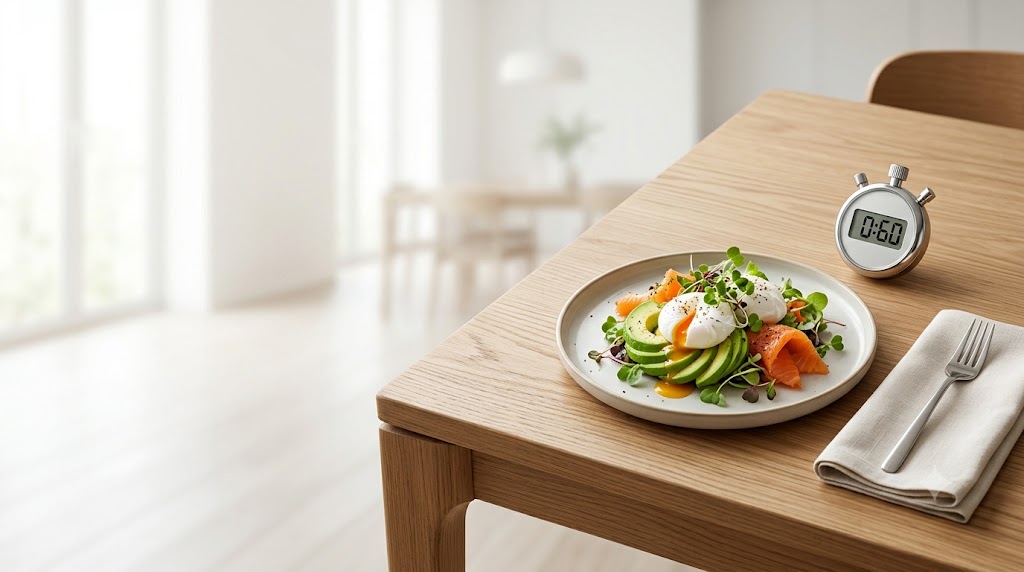
What if the most powerful thing you could do for your metabolism doesn’t happen at the gym, but in the sixty seconds before you sit down to eat? Welcome to the Exercise Appetizer method—a surprisingly simple routine that’s backed by emerging research and embraced by health professionals who understand that timing matters just as much as intensity when it comes to exercise.
Forget hour-long workouts and complicated meal-timing strategies. This approach requires no equipment, no special clothing, and barely enough time to check your phone. Yet those brief moments of movement before meals may fundamentally change how your body handles the food you’re about to consume. Here’s everything you need to know about this micro-workout phenomenon and how to make it work for you.
The Science Behind Pre-Meal Movement
When you eat a meal, your blood sugar naturally rises. For most people, this spike is temporary and managed efficiently by insulin. However, repeated large spikes—especially after carbohydrate-heavy meals—can contribute to insulin resistance over time, a precursor to type 2 diabetes and metabolic dysfunction.
Research published in journals like Diabetologia and Sports Medicine has demonstrated that brief bouts of activity performed before eating can significantly blunt post-meal glucose spikes. One study found that just one minute of bodyweight exercises before meals reduced blood sugar elevation by up to 30% compared to remaining sedentary.
The mechanism is elegantly simple. When you contract your muscles, even briefly, you activate glucose transporters called GLUT4. These transporters move to the surface of muscle cells and begin pulling glucose from your bloodstream—independent of insulin. By “priming” your muscles right before a meal, you’re essentially opening more doors for incoming glucose to enter cells rather than lingering in your blood.
Additionally, muscle contractions increase blood flow and metabolic activity in the muscles themselves. This means when food hits your system, your body is already in a mild “uptake mode,” ready to efficiently process and store nutrients where they belong.
What Exactly Is an Exercise Appetizer?
The term “exercise appetizer” was popularized by researchers studying practical interventions for blood sugar management. Unlike traditional exercise prescriptions that focus on duration and intensity, exercise appetizers prioritize timing and consistency.
An exercise appetizer is any brief movement sequence—typically 30 to 90 seconds—performed immediately before eating a meal. The movements should be moderate in intensity: challenging enough to engage major muscle groups but not so intense that you’re breathless or sweating before sitting down to dinner.
Think of it as a metabolic warm-up for your digestive system. You’re not trying to burn significant calories or build muscle in these moments. Instead, you’re sending a signal to your body that says, “Hey, we’re about to receive fuel—let’s get ready to use it efficiently.”
The beauty of this approach lies in its sustainability. While most people struggle to maintain traditional exercise routines, anchoring brief movements to existing habits (like eating) creates a behavioral trigger that’s hard to forget. You eat multiple times a day, which means multiple opportunities to accumulate these metabolic benefits.
A Simple 60-Second Pre-Meal Routine
Ready to try it yourself? Here’s a practical routine you can perform anywhere—your kitchen, a restaurant, or even your office before a lunch meeting. No equipment needed, no changing clothes required.
- Wall Push-Ups (20 seconds): Place your hands on a wall at shoulder height and perform slow, controlled push-ups. This engages your chest, shoulders, and triceps while being discreet enough for any setting.
- Bodyweight Squats (20 seconds): Stand with feet shoulder-width apart and lower yourself as if sitting into a chair. Rise back up and repeat. Squats activate your quadriceps and glutes—the largest muscles in your body.
- Calf Raises (10 seconds): Rise onto your toes, hold briefly, and lower back down. Repeat until time is up. This simple movement engages your lower legs and maintains blood flow.
- Standing Marches (10 seconds): Lift your knees alternately as if marching in place. This keeps your heart rate slightly elevated and engages your hip flexors and core.
Feel free to modify this routine based on your mobility and fitness level. The goal is muscle engagement, not exhaustion. If squats are challenging, try quarter squats or simply shift your weight from leg to leg. If standing is difficult, seated leg extensions and arm movements work too.
Maximizing the Benefits: Practical Tips for Success
Consistency trumps perfection with this method. Doing a thirty-second routine before every meal will serve you better than a perfect sixty-second routine you only remember occasionally. Start small and build the habit first.
Focus especially on pre-dinner activity. Evening meals tend to be the largest of the day for most people, and research suggests our glucose tolerance naturally decreases as the day progresses. An exercise appetizer before dinner may offer the most significant metabolic benefits.
Consider using meal preparation as your trigger. While your food heats in the microwave or your water boils, use that waiting time for your routine. This transforms dead time into an investment in your health.
Don’t stress about doing this in public settings. A quick trip to the restroom before a restaurant meal provides a private moment for a few squats. Or simply take the stairs to your table if the restaurant has multiple levels. Creativity counts.
Track your progress if you’re data-motivated. Continuous glucose monitors have become increasingly accessible and can provide fascinating real-time feedback on how your pre-meal movement affects your individual glucose response.
Putting It All Together
The Exercise Appetizer method represents a refreshing shift in how we think about physical activity and metabolism. Rather than viewing exercise as a separate block of time we must carve from our busy schedules, this approach weaves movement seamlessly into something we already do multiple times daily: eat.
The scientific evidence supporting brief pre-meal activity continues to grow, with benefits extending beyond blood sugar management to improved digestion, enhanced nutrient partitioning, and even better appetite regulation. Some practitioners report feeling more mindful about their food choices after taking that brief movement pause—an unexpected psychological bonus.
Start today with just one meal. Choose lunch or dinner, set a phone reminder if needed, and commit to sixty seconds of movement before your fork hits the plate. Notice how you feel afterward—both physically and mentally. Within a week, this simple practice may become as automatic as washing your hands before eating.
Small hinges swing big doors. In the realm of metabolic health, those sixty seconds might just be the smallest hinge with the biggest impact you’ll ever discover.