



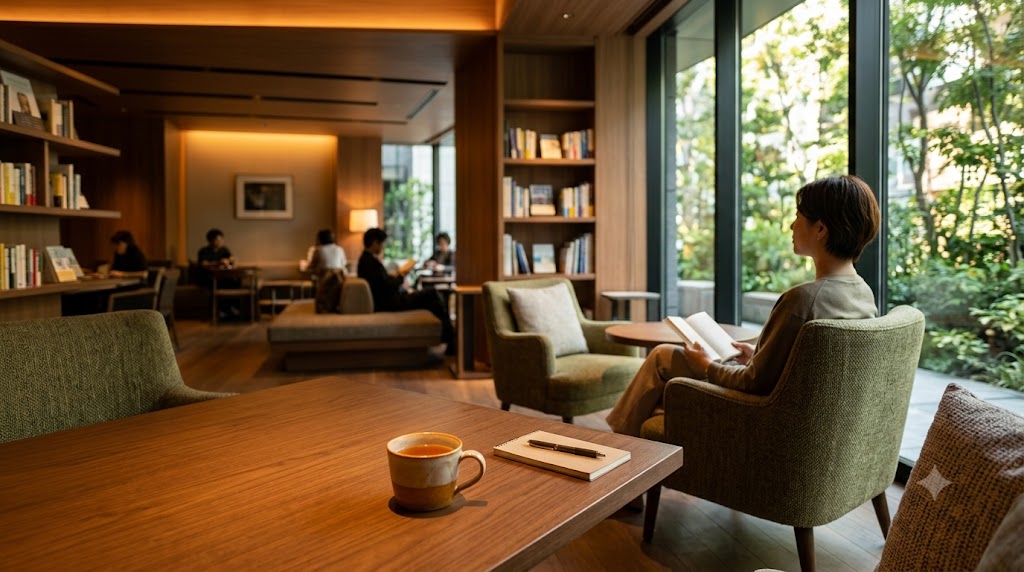
Think about the place where everybody knows your name. Maybe it’s the corner coffee shop where the barista starts making your usual before you even order. Perhaps it’s a neighborhood bookstore, a gym, a community garden, or even a park bench where you’ve struck up conversations with fellow regulars. This spot isn’t your home, and it’s not your workplace—it’s something sociologists call your ‘third place.’ And according to growing research, having one might be more important for your mental health than you realize.
In an era of remote work, digital isolation, and increasing loneliness, the concept of the third place has taken on renewed significance. These informal gathering spots serve as anchors for community life, providing a sense of belonging that neither home nor work can fully deliver. Let’s explore why cultivating your own third place could be one of the simplest yet most powerful investments in your mental wellbeing.
What Exactly Is a Third Place?
The term ‘third place’ was coined by urban sociologist Ray Oldenburg in his 1989 book ‘The Great Good Place.’ He argued that for a healthy, balanced life, people need three distinct environments: the first place (home), the second place (work), and crucially, a third place—a neutral ground where people gather voluntarily for social interaction and community connection.
Third places share several defining characteristics. They’re accessible, affordable, and welcoming to regulars. The atmosphere tends to be leveling—meaning social status takes a backseat to genuine human interaction. Conversation is the primary activity, the mood is playful rather than serious, and there’s a sense of warmth and belonging that develops over time.
Classic examples include British pubs, French cafés, American diners, and German beer gardens. But third places don’t have to be commercial establishments. They can be community centers, churches, barbershops, libraries, dog parks, or anywhere people regularly gather and form connections outside their domestic and professional lives.
The Mental Health Benefits Are Significant
The psychological rewards of having a third place extend far beyond simple social interaction. Research consistently shows that these spaces contribute meaningfully to mental wellness in several interconnected ways.
First, third places combat loneliness and social isolation—conditions that have reached epidemic proportions in many developed countries. A 2023 advisory from the U.S. Surgeon General highlighted loneliness as a public health crisis, noting its health impacts are equivalent to smoking fifteen cigarettes daily. Third places provide low-pressure opportunities for connection that many people desperately need but struggle to find.
Second, these spaces foster a sense of belonging and community identity. When you’re a regular somewhere, you become part of that place’s social fabric. The bartender who remembers your drink, the other gym-goers who nod hello, the book club members who save your seat—these small recognitions accumulate into a powerful feeling of mattering to others.
Third, third places offer psychological restoration. Unlike home (where chores and responsibilities await) or work (where performance pressure exists), third places allow for genuine relaxation. They provide mental separation from daily stressors and create space for playfulness and spontaneity—elements often missing from adult life.
Finally, exposure to diverse perspectives in third places builds cognitive flexibility and reduces anxiety about ‘otherness.’ Regular interactions with people outside your usual circles broadens your worldview and strengthens your capacity for empathy and understanding.
Why Third Places Are Disappearing—And Why It Matters
Despite their importance, third places have been steadily declining in many communities. Several factors contribute to this erosion. Suburban sprawl has created car-dependent environments where walking to a neighborhood gathering spot isn’t feasible. The rise of digital entertainment means many people stay home rather than seeking out public spaces. Economic pressures have shuttered independent businesses that once served as community anchors, replacing them with chain stores designed for transactions rather than lingering.
The COVID-19 pandemic accelerated these trends dramatically. Many beloved gathering spots closed permanently, while those that survived saw customer habits shift toward takeaway and delivery. Remote work, while offering flexibility, eliminated the workplace as a social environment for millions—making third places even more essential yet harder to maintain.
The consequences of this decline are measurable. Communities without vibrant third places report lower levels of social trust, reduced civic participation, and higher rates of mental health challenges. When people have nowhere to gather informally, the invisible threads that bind neighbors together begin to fray.
How to Find or Create Your Own Third Place
The good news is that cultivating a third place doesn’t require major life changes—just intentionality and consistency. Here’s how to get started.
- Audit your existing routines. Where do you already spend time outside home and work? Your third place might be hiding in plain sight—a coffee shop you visit occasionally, a gym you attend, a park where you walk your dog. The key is transforming sporadic visits into regular rituals.
- Prioritize proximity and accessibility. The best third place is one you can visit frequently without significant effort. Look within walking distance of your home or along your regular commute. Convenience dramatically increases the likelihood of consistent attendance.
- Commit to regularity. Visit at the same time on the same days. Third places work their magic through repeated exposure. When you become a predictable presence, relationships naturally develop with staff and fellow regulars.
- Put away your phone. It’s tempting to stay digitally cocooned even in public spaces, but that defeats the purpose. Make yourself available for spontaneous interaction. Make eye contact. Say hello. Comment on the weather or the crowded conditions or the excellent playlist.
- Consider non-commercial options. Libraries, community centers, religious organizations, volunteer groups, and recreational clubs all function as third places without requiring purchases. This makes them more accessible and often more diverse in their membership.
- Be patient. Becoming a ‘regular’ takes time. You might feel awkward initially—that’s normal. Keep showing up. The sense of belonging develops gradually through accumulated small interactions.
Building a More Connected Life
In our increasingly fragmented world, the humble third place offers something profound: a antidote to isolation that doesn’t require apps, subscriptions, or complicated scheduling. It simply requires showing up, repeatedly, to a place where you feel welcome.
Start small. Identify one potential third place this week and commit to visiting it at least twice over the next two weeks. Notice how it feels to be recognized, to exchange greetings with familiar faces, to occupy space in a community setting. These seemingly minor experiences compound over time into something that significantly bolsters mental health and life satisfaction.
Your third place is waiting. It might be around the corner, or it might require a bit of exploration to discover. Either way, making it a priority isn’t self-indulgence—it’s maintenance for your mental health and a vote for the kind of connected community we all benefit from. So close your laptop, step outside, and go find where everybody might eventually know your name.