



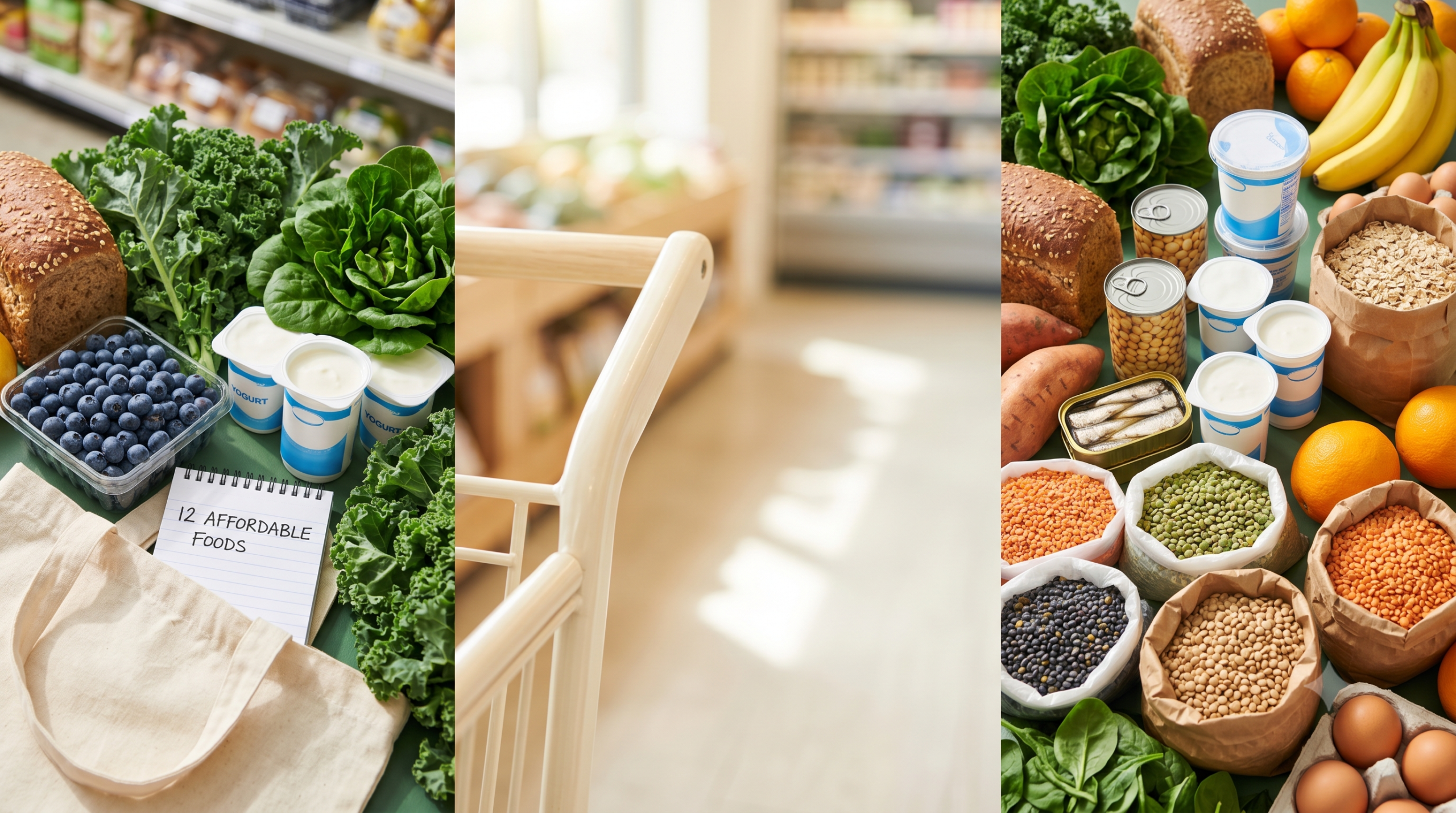
You’ve probably heard the phrase “trust your gut” when making decisions, but what if your gut was actually influencing your emotions every single day? Emerging research in nutritional psychiatry reveals that the trillions of bacteria living in your digestive system communicate directly with your brain through what scientists call the gut-brain axis. This means the foods sitting in your refrigerator right now might be affecting whether you wake up feeling energized and optimistic—or sluggish and anxious.
The best part? You don’t need exotic superfoods or expensive supplements to tap into this connection. After reviewing the latest studies, I’ve compiled a science-backed grocery list of 12 affordable foods that can genuinely improve your mood. Most of these items cost less than a fancy coffee, and all of them are available at your local supermarket.
Understanding the Gut-Brain Connection
Before diving into the grocery list, let’s quickly understand why these foods matter. Your gut produces approximately 95% of your body’s serotonin—the neurotransmitter responsible for regulating mood, sleep, and feelings of well-being. The bacteria in your gut, collectively called the microbiome, play a crucial role in this production process.
When your microbiome is balanced and thriving, it sends positive signals to your brain via the vagus nerve. When it’s disrupted by processed foods, stress, or lack of fiber, those signals can contribute to anxiety, depression, and brain fog. The foods below work by either feeding beneficial bacteria, reducing inflammation, or providing essential nutrients that support neurotransmitter production.
The 12-Item Mood-Boosting Grocery List
1. Bananas ($0.25 each)
Bananas contain tryptophan, a precursor to serotonin, plus vitamin B6 which helps convert tryptophan into mood-regulating neurotransmitters. The resistant starch in slightly green bananas also feeds beneficial gut bacteria.
2. Oats ($0.15 per serving)
Steel-cut or rolled oats are rich in beta-glucan fiber, which promotes the growth of healthy gut bacteria. They also provide steady energy release, preventing the blood sugar crashes that can trigger irritability and anxiety.
3. Plain Yogurt ($0.50 per serving)
Look for varieties labeled “live and active cultures.” These probiotics directly introduce beneficial bacteria into your gut. A 2019 study published in Brain, Behavior, and Immunity found that probiotic consumption was associated with reduced symptoms of depression.
4. Kimchi or Sauerkraut ($0.40 per serving)
These fermented vegetables are probiotic powerhouses. Unlike yogurt, they also contain fiber, giving you both the beneficial bacteria and the food those bacteria need to thrive.
5. Chickpeas ($0.30 per serving)
Packed with fiber, protein, and tryptophan, chickpeas are incredibly versatile mood supporters. The fiber content alone makes them valuable—fiber is essentially fertilizer for your good gut bacteria.
6. Spinach ($0.35 per serving)
This leafy green is loaded with folate, a B-vitamin that plays a critical role in dopamine production. Low folate levels have been consistently linked to higher rates of depression in research studies.
7. Eggs ($0.25 each)
Eggs contain choline, which supports brain health and neurotransmitter function, plus complete protein and vitamin D. Many people are deficient in vitamin D, and this deficiency is associated with mood disorders.
8. Walnuts ($0.50 per serving)
Among all nuts, walnuts have the highest concentration of omega-3 fatty acids, which reduce inflammation throughout the body and brain. Inflammation is increasingly recognized as a contributing factor to depression.
9. Olive Oil ($0.20 per tablespoon)
Extra virgin olive oil contains polyphenols that support gut bacteria diversity and reduce inflammation. Mediterranean diet studies consistently show improved mental health outcomes, with olive oil being a key component.
10. Garlic ($0.10 per clove)
Garlic is a prebiotic, meaning it feeds the beneficial bacteria already in your gut. It’s also rich in compounds that reduce inflammation and support immune function.
11. Dark Chocolate ($0.30 per serving)
Choose varieties with 70% cocoa or higher. Dark chocolate contains flavonoids that increase blood flow to the brain and compounds that promote the growth of beneficial gut bacteria. Yes, this is permission to eat chocolate—in moderation.
12. Green Tea ($0.15 per bag)
Green tea contains L-theanine, an amino acid that promotes relaxation without drowsiness. It also has polyphenols that support a healthy microbiome and reduce inflammation.
Strategic Combinations for Specific Goals
While each food above offers benefits individually, combining them strategically can help target specific concerns.
For Anxiety Relief: Pair green tea with walnuts and dark chocolate. The L-theanine in green tea promotes calm, while the omega-3s in walnuts and the magnesium in dark chocolate help regulate stress hormones. Try this combination as an afternoon snack when anxiety tends to peak.
For Better Sleep and Morning Mood: Combine bananas, oats, and yogurt. This trio provides tryptophan, steady carbohydrates to help tryptophan reach the brain, and probiotics to support overnight gut repair. Eat this as an evening snack about two hours before bed.
For Sustained Energy and Focus: Pair eggs with spinach and olive oil. The protein and choline from eggs support neurotransmitter function, spinach provides folate for dopamine production, and olive oil helps absorb fat-soluble nutrients. This makes an ideal breakfast combination.
For Gut Repair After Stress or Antibiotics: Focus on kimchi, garlic, and chickpeas together. The probiotics in kimchi repopulate your gut, garlic feeds beneficial bacteria, and chickpeas provide the fiber these bacteria need to establish themselves. Incorporate this combination daily for at least two weeks.
Making It Work in Real Life
Knowledge without action is just trivia. Here’s how to actually implement this grocery list into your weekly routine.
Start with three items from this list that you already enjoy or are willing to try. Trying to overhaul your entire diet at once leads to overwhelm and abandonment. Focus on adding these mood-supporting foods rather than obsessing over eliminating other foods.
Prep for convenience on Sunday evenings. Hard-boil a batch of eggs, portion out servings of walnuts into small containers, and cook a pot of oatmeal you can reheat throughout the week. When healthy options are grab-and-go, you’ll actually eat them.
Give it time—at least three weeks. Your gut microbiome doesn’t transform overnight. Research suggests it takes approximately 21 days of consistent dietary changes to see meaningful shifts in gut bacteria composition. Track your mood in a simple journal to notice patterns.
Your Gut Is Listening
Every meal is a conversation with your microbiome. The twelve foods on this list—totaling less than $20 for a full week’s supply—speak the language your gut bacteria want to hear. They provide fiber, probiotics, anti-inflammatory compounds, and essential nutrients that support the intricate gut-brain communication system.
You don’t need to become a health fanatic to benefit from this research. Simply swap your afternoon chips for walnuts and dark chocolate, add sauerkraut to your sandwiches, or start your morning with oatmeal topped with banana slices. These small, affordable changes add up.
Your brain is already listening to your gut. This week, give it something good to hear.