



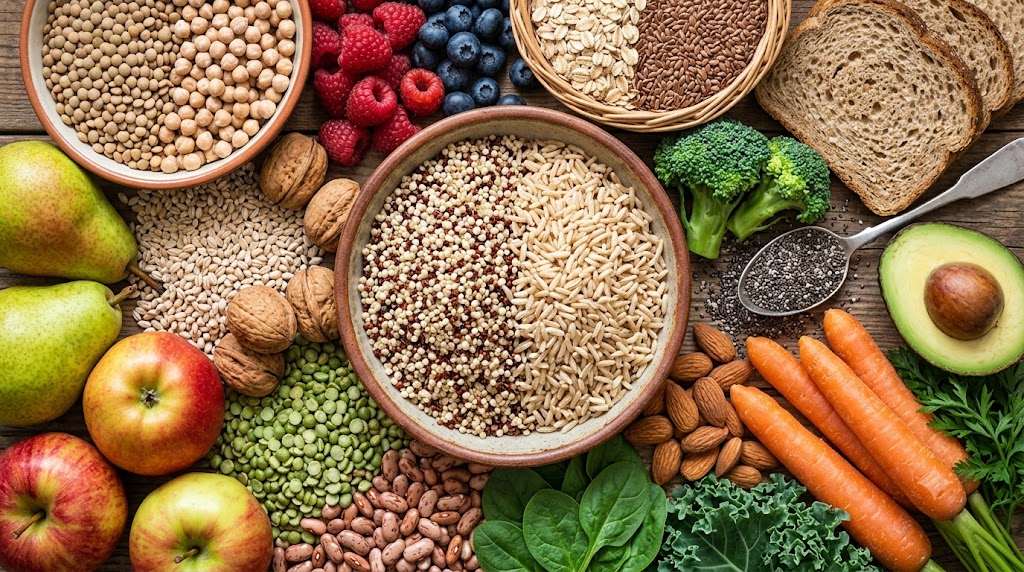
Here’s a startling reality check: you’re almost certainly not eating enough fiber. According to research from the American Society for Nutrition, a staggering 95% of Americans fail to meet the daily recommended fiber intake. That’s not a typo—we’re talking about nearly everyone walking around with a significant nutritional gap that affects everything from digestive health to heart disease risk and even mental clarity.
The average American consumes just 15 grams of fiber daily, while recommendations call for 25-38 grams depending on age and gender. This isn’t just a minor shortfall; it’s a public health crisis hiding in plain sight. But here’s the good news: closing this gap doesn’t require a complete dietary overhaul. Small, strategic changes can make a dramatic difference, and most of them are surprisingly simple to implement.
Why Modern Diets Fail at Fiber
Our ancestors consumed an estimated 100 grams of fiber daily. Today, we struggle to hit a quarter of that amount. What changed? The answer lies in how dramatically our food system has evolved over the past century.
Processed foods have become the backbone of modern eating habits. When whole grains are refined into white flour, they lose up to 80% of their fiber content. That morning bagel, afternoon crackers, and evening pasta all started as fiber-rich whole grains before industrial processing stripped away their nutritional value. The convenience we’ve gained has come at a steep cost to our gut health.
Beyond processing, there’s a portion problem. Fruits and vegetables—our most accessible fiber sources—occupy shrinking real estate on modern plates. Fast food meals, pre-packaged snacks, and restaurant portions emphasize protein and refined carbohydrates while vegetables become mere garnishes. When the average restaurant side salad contains more croutons than actual greens, we’ve clearly lost the plot.
Marketing hasn’t helped either. Food companies spend billions promoting low-fiber processed products while whole foods like beans, lentils, and vegetables lack the advertising budgets to compete. The result is a population that knows more about the latest protein bar than the fiber content of a simple apple.
What Fiber Actually Does for Your Body
Understanding fiber’s role helps explain why this deficiency matters so much. Fiber isn’t just about keeping things moving through your digestive system—though it certainly excels at that. It’s a foundational nutrient that influences nearly every aspect of health.
Soluble fiber, found in oats, beans, and apples, dissolves in water to form a gel-like substance. This gel slows digestion, helping stabilize blood sugar levels after meals and keeping you satisfied longer. It also binds to cholesterol particles in your digestive system and escorts them out of your body, which explains why high-fiber diets consistently correlate with improved heart health markers.
Insoluble fiber, abundant in whole wheat, vegetables, and nuts, adds bulk to stool and helps food pass more quickly through the digestive tract. This type of fiber is your best defense against constipation and may reduce the risk of developing hemorrhoids and diverticular disease.
Perhaps most exciting is fiber’s role in feeding your gut microbiome. The trillions of bacteria in your intestines ferment fiber into short-chain fatty acids, compounds that reduce inflammation, strengthen the gut barrier, and may even influence mood and cognitive function through the gut-brain axis. When you eat fiber, you’re not just feeding yourself—you’re nourishing an entire ecosystem that profoundly impacts your health.
Seven Practical Fixes That Actually Stick
Knowing you need more fiber is easy; actually getting it requires strategy. These approaches work because they build on existing habits rather than demanding complete dietary transformation.
- Make the breakfast swap: Replace your usual cereal with steel-cut oats or a high-fiber alternative containing at least 5 grams per serving. This single change can add 8-10 grams to your daily intake without any other modifications. Top with berries for an additional fiber boost.
- Embrace the bean revolution: Adding half a cup of beans to one meal daily contributes roughly 7 grams of fiber. Toss chickpeas into salads, blend black beans into taco meat, or add white beans to soups. Canned beans are perfectly nutritious and require zero prep time.
- Snack on whole foods: Swap chips and crackers for an apple with almond butter, carrot sticks with hummus, or a handful of almonds. These whole-food snacks deliver fiber alongside satisfying fats and proteins that processed snacks can’t match.
- Leave the skins on: Potato skins, apple peels, and cucumber skins contain concentrated fiber that gets discarded when we peel. Simply washing produce thoroughly and eating it whole captures nutrients you’d otherwise throw away.
- Build a better sandwich: Switch from white bread to whole grain varieties with at least 3 grams of fiber per slice. Add spinach, tomatoes, and avocado to increase the fiber content further. A thoughtfully constructed sandwich can deliver 10+ grams of fiber.
- Start meals with vegetables: Eating a small salad or vegetable soup before your main course ensures you consume fiber-rich foods when you’re hungriest. This approach naturally increases vegetable intake without requiring willpower at the end of a meal.
- Rethink your grains: Quinoa, farro, barley, and brown rice all offer significantly more fiber than their refined counterparts. Cooking a big batch on Sunday provides ready-to-use whole grains throughout the week.
The Gradual Approach: Why Slow Wins the Race
If you’re currently eating 15 grams of fiber daily, jumping immediately to 35 grams will likely backfire. Your digestive system needs time to adapt, and too much fiber too fast causes bloating, gas, and discomfort that makes people abandon their efforts entirely.
The sustainable approach involves adding 3-5 grams of fiber per week while simultaneously increasing water intake. Fiber absorbs water as it moves through your digestive system, so inadequate hydration can actually worsen constipation rather than relieve it. Aim for at least eight glasses of water daily, adding more as your fiber intake increases.
Pay attention to how different fiber sources affect you personally. Some people tolerate beans beautifully while struggling with wheat bran; others find the opposite true. Building a fiber-rich diet means discovering which high-fiber foods work best with your particular digestive system.
Close the Gap Starting Today
The fiber gap affects nearly everyone, but it doesn’t have to affect you. Unlike many nutritional challenges that require expensive supplements or exotic ingredients, increasing fiber intake simply means returning to foods humans have eaten for thousands of years: whole grains, legumes, fruits, vegetables, nuts, and seeds.
Start with one change this week. Maybe it’s switching your breakfast cereal or adding a handful of berries to your morning routine. Next week, add another small modification. Within a month, these incremental adjustments compound into a dramatically improved fiber intake that supports your digestive health, stabilizes your energy levels, and reduces your risk of chronic disease.
The 95% statistic doesn’t have to include you. Your gut—and the trillions of beneficial bacteria living there—will thank you for making the effort.