



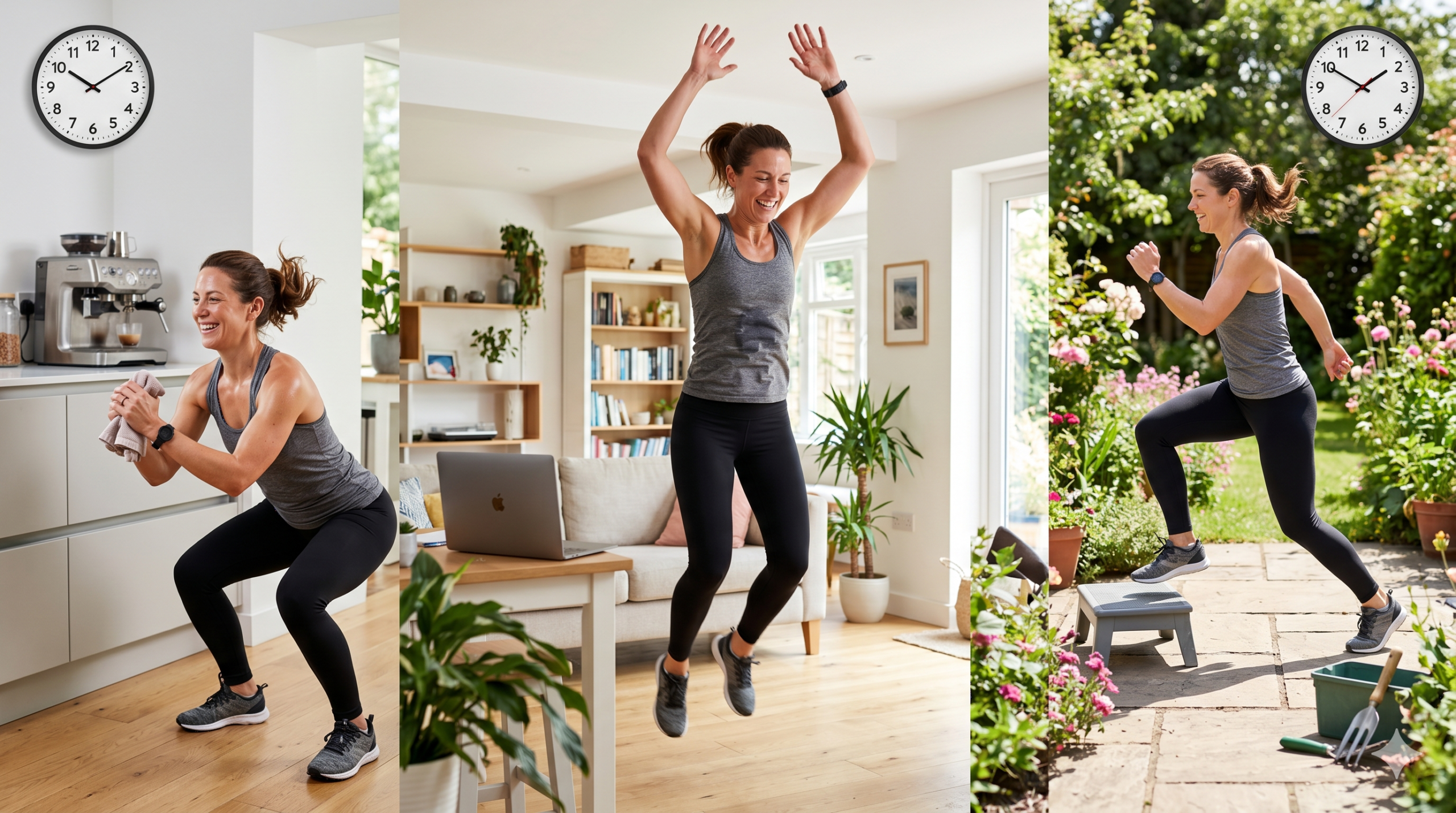
What if the secret to a longer, healthier life wasn’t grinding through hour-long gym sessions, but instead taking the stairs a little faster or doing a few squats while your coffee brews? Welcome to the world of ‘exercise snacking’—a research-backed approach that’s challenging everything we thought we knew about fitness and longevity.
For decades, we’ve been told that meaningful exercise requires dedicated blocks of time, proper workout gear, and a gym membership. But emerging science suggests that brief, intense bursts of movement scattered throughout your day might actually deliver superior health benefits, particularly when it comes to extending your lifespan. Let’s dive into what the research really says and how you can start implementing this approach today.
What Exactly Is Exercise Snacking?
Exercise snacking refers to performing short bouts of vigorous physical activity—typically lasting anywhere from 20 seconds to a few minutes—multiple times throughout the day. Unlike traditional exercise, these ‘snacks’ don’t require changing clothes, warming up, or setting aside a dedicated workout window. Think of them as micro-doses of movement woven into your existing routine.
The concept gained significant scientific attention following a landmark 2022 study published in Nature Medicine by researchers at the University of Sydney. The team, led by Professor Emmanuel Stamatakis, analyzed data from over 25,000 participants in the UK Biobank who reported doing no leisure-time exercise. Using wearable accelerometers to track movement patterns, they discovered something remarkable: brief bursts of vigorous intermittent lifestyle physical activity (VILPA) were associated with dramatically reduced mortality risk.
Participants who accumulated just three to four one-minute bursts of vigorous activity daily—activities like climbing stairs briskly or walking uphill—experienced a 38-40% reduction in all-cause mortality compared to those with no vigorous activity. Cancer mortality risk dropped by approximately 38-40% as well. These weren’t people hitting the gym; they were simply moving intensely during normal daily activities.
The Science Behind Why Short Bursts Work
The physiological mechanisms that make exercise snacking effective are rooted in how our bodies respond to brief, intense stimuli. When you engage in vigorous activity—even for just 60 seconds—your cardiovascular system kicks into high gear, your muscles demand oxygen, and a cascade of beneficial metabolic processes begins.
Research published in the British Journal of Sports Medicine in 2019 by Jenkins and colleagues examined the effects of ‘exercise snacks’ on glycemic control in adults with insulin resistance. They found that performing just three one-minute bouts of incline walking before meals significantly improved 24-hour glucose control compared to a single 30-minute continuous walk. The timing and frequency of the activity mattered more than the total duration.
Dr. Martin Gibala, a professor of kinesiology at McMaster University and a pioneer in high-intensity interval training research, has extensively studied brief exercise protocols. His work, published in journals including PLOS ONE and Applied Physiology, Nutrition, and Metabolism, demonstrates that even 20-second bursts of stair climbing, repeated three times daily with several hours between sessions, can improve cardiorespiratory fitness in previously sedentary adults within just six weeks.
The key insight is that our bodies don’t distinguish between ‘formal exercise’ and ‘incidental vigorous movement.’ Climbing three flights of stairs quickly triggers many of the same cardiovascular and metabolic adaptations as time spent on a stair-climbing machine at the gym.
Exercise Snacking vs. Traditional Workouts: What the Evidence Shows
This isn’t to say traditional exercise is worthless—far from it. The benefits of sustained cardiovascular exercise and resistance training are well-documented. However, for the majority of adults who struggle to meet conventional exercise guidelines, exercise snacking offers a practical alternative with impressive outcomes.
The World Health Organization recommends 150-300 minutes of moderate-intensity or 75-150 minutes of vigorous-intensity aerobic activity weekly. Yet according to data from the Centers for Disease Control and Prevention, only about 23% of American adults meet these guidelines. The beauty of exercise snacking is that it dramatically lowers the barrier to entry.
A 2023 systematic review and meta-analysis published in the British Journal of Sports Medicine examined the relationship between vigorous intermittent physical activity and health outcomes across multiple studies. The findings consistently showed that accumulating vigorous activity in short bouts throughout the day was associated with substantial reductions in cardiovascular disease risk, independent of structured exercise participation.
Perhaps most importantly for longevity, the Sydney researchers found that the mortality benefits of VILPA were observed even among participants who did zero traditional exercise. This suggests that exercise snacking can serve as a standalone strategy for those who can’t or won’t commit to conventional workouts, while also complementing regular exercise routines for those who already train.
Practical Ways to Start Exercise Snacking Today
The most effective exercise snacks share a few characteristics: they’re vigorous enough to leave you slightly breathless, brief enough to fit into any schedule, and simple enough to require no equipment or preparation. Here are evidence-based approaches you can implement immediately:
- Stair climbing sprints: Take stairs at a brisk pace whenever possible. Research from McMaster University showed that vigorously climbing three flights of stairs, three times daily, improves fitness significantly. If you work in a multi-story building, skip the elevator for at least some of your trips.
- Pre-meal movement: Based on the glycemic control research, try a 60-second burst of activity before each main meal. This could be marching in place with high knees, performing bodyweight squats, or doing jumping jacks. The timing helps regulate blood sugar from your upcoming meal.
- Walking meetings and calls: Transform sedentary phone calls into walking opportunities. Even indoor pacing counts, and if you can add some stairs or inclines, the benefit increases substantially.
- Commercial break workouts: If you watch television, use ad breaks for bursts of pushups, squats, or lunges. A typical commercial break provides 2-3 minutes—more than enough for a meaningful exercise snack.
- Set movement triggers: Link exercise snacks to existing habits. Every time you use the bathroom, do 10 squats. Every time you get coffee, do 20 seconds of calf raises. These habit-stacked triggers make consistency automatic.
The goal is to accumulate at least three to four vigorous minutes spread throughout your day. Track your activity using a smartwatch or simply be mindful of opportunities to move intensely, however briefly.
Making It Stick: The Psychological Advantage
One often-overlooked benefit of exercise snacking is its psychological sustainability. Traditional exercise programs suffer from notoriously high dropout rates, largely because they demand significant time and motivation. Exercise snacking sidesteps these barriers entirely.
There’s no gym commute, no workout outfit to wash, no 45-minute block to carve out of an already packed schedule. The cognitive load is minimal, and the sense of accomplishment is immediate. You can feel good about taking the stairs aggressively even on days when a full workout would be impossible.
Additionally, exercise snacking can serve as a gateway to more structured fitness routines. As your cardiovascular capacity improves and movement becomes more habitual, you may find yourself naturally gravitating toward longer activities.
Start Small, Live Longer
The evidence is compelling: brief bursts of vigorous activity, accumulated throughout your daily routine, can significantly reduce your risk of early death from all causes, including cardiovascular disease and cancer. You don’t need a gym membership, dedicated workout time, or athletic ability—just a willingness to move a little harder during activities you’re already doing.
Start today with a single exercise snack. Take the stairs instead of the elevator, and climb them like you’re running late. Do a burst of squats before lunch. Walk briskly during your next phone call. These tiny investments in movement compound over time into something remarkable: a longer, healthier life built one minute at a time.